Butter is one of those refrigerator staples that almost every kitchen has on hand, but many people still have questions about how long it actually lasts and the best way to store it. Some people keep a butter dish on the counter for spreading on toast, while others store every stick in the refrigerator or freezer. The good news is that butter has a fairly long shelf life when stored properly, but a few simple storage tips can help keep it tasting fresher longer.
Different types of butter can also change the flavor and texture of recipes. European-style butter, Irish butter, and standard sweet cream butter each have slightly different uses in cooking and baking. Whether you’re making flaky biscuits, spreading butter on warm bread, or stocking up during a grocery sale, understanding how to store and use butter can make a noticeable difference in your kitchen.
How Long Can Butter Be Left on the Counter?
Butter can safely sit out at room temperature for a short period of time, especially salted butter. The salt helps preserve it and slows down spoilage. In most kitchens, butter can stay on the counter for about 1 to 2 days as long as the room temperature stays relatively cool.
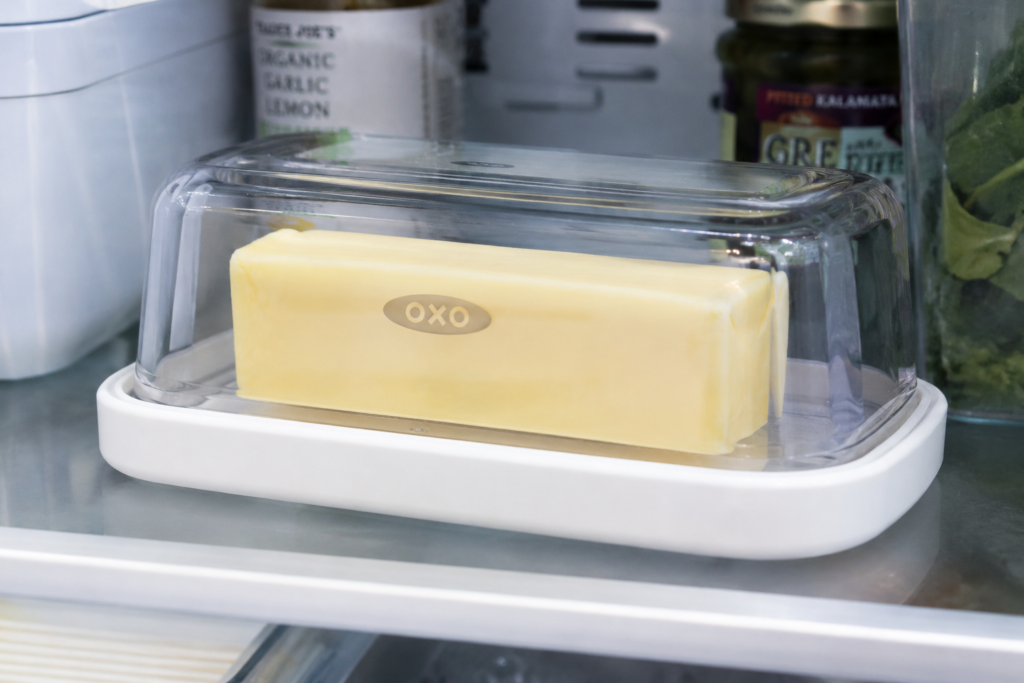
Unsalted butter is more delicate and should usually only be left out for a few hours at a time. If your kitchen tends to run warm during the summer months, butter may soften too much or start developing an off flavor more quickly. A covered butter dish is usually the best option because it protects the butter from dust, air exposure, and kitchen odors.
Many people prefer to keep just one stick on the counter for everyday use while storing the remaining butter in the refrigerator or freezer.
How Long Does Butter Last in the Refrigerator?
Butter lasts surprisingly long in the refrigerator when stored correctly. Unopened butter can often stay fresh for 1 to 3 months past the printed date on the package. Once opened, butter is usually best when used within about a month for the freshest flavor and texture.
The best way to store butter in the refrigerator is tightly wrapped or inside an airtight container. Keeping butter exposed to open air can dry it out and affect the flavor over time. The back of the refrigerator is usually the best location because the temperature stays more consistent than the refrigerator door.
If you buy butter in boxes, keeping the original foil wrapper intact helps protect it from moisture and odors.
Can Butter Be Frozen?
Butter freezes extremely well and is one of the easiest dairy products to store long term. Properly wrapped butter can last in the freezer for about 6 to 9 months without major changes to the flavor or texture.
Keeping butter in its original packaging works fine for shorter freezing periods, but placing it inside a freezer-safe bag or airtight container adds extra protection against freezer burn and odor absorption. Frozen butter can be thawed overnight in the refrigerator or left on the counter for a short time before using.
Freezing butter is especially helpful around the holidays or anytime grocery stores run good sales on butter. Many people stock up and freeze extra boxes for baking season.
Will Butter Absorb Odors in the Refrigerator?
Yes, butter can absolutely absorb odors if it is left uncovered in the refrigerator. Butter contains a high amount of fat, which easily picks up surrounding smells from strong foods like onions, garlic, seafood, or leftovers.
That’s why storing butter covered is so important. Even a simple covered butter dish or airtight container can help prevent butter from taking on unwanted flavors. If butter ever tastes slightly like garlic or onions, it was likely stored uncovered too close to stronger-smelling foods.
Keeping butter sealed not only protects the flavor, but also helps preserve the creamy texture and freshness longer.
Different Types of Butter and When to Use Them
Not all butter tastes exactly the same, and different varieties can work better depending on the recipe you’re making.
European-Style Butter
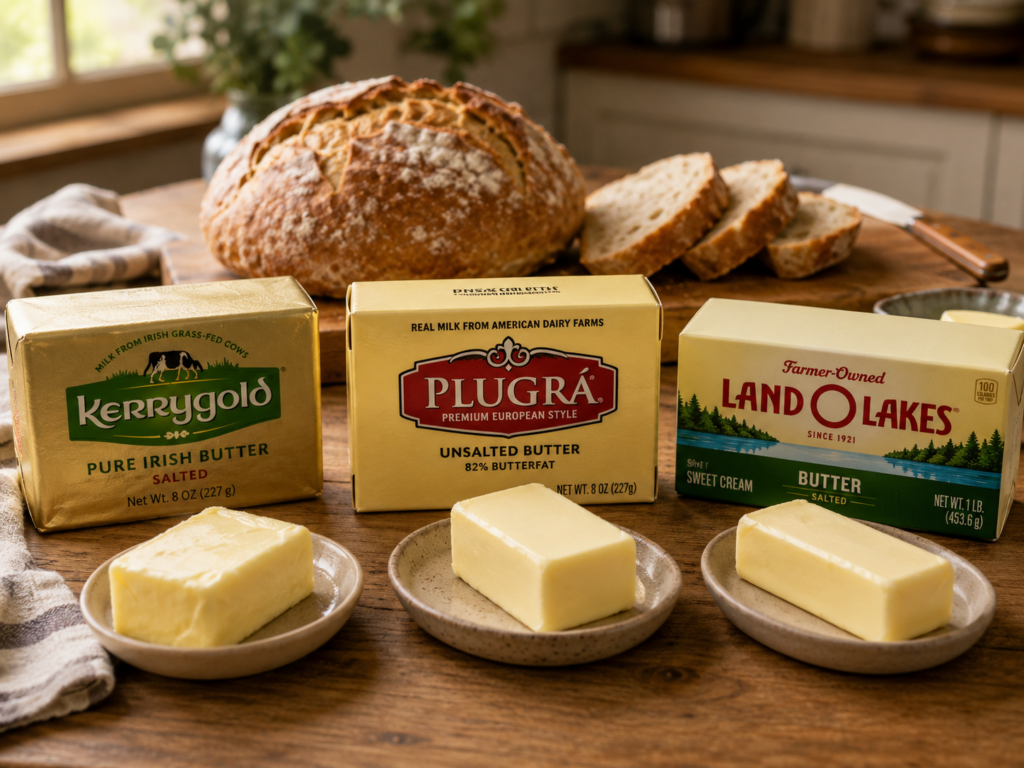
European-style butter contains a higher butterfat content than standard American butter, usually around 82% to 85%. It has a richer flavor, creamier texture, and melts beautifully into baked goods and sauces.
This type of butter works especially well for:
- Croissants
- Pie crusts
- Puff pastry
- Rich sauces
- Homemade biscuits
The extra butterfat helps create flakier pastries and a richer overall flavor.
Irish Butter
Irish butter is similar to European-style butter but is often made from grass-fed cows, giving it a deep yellow color and extra rich taste. One of the most popular examples is Kerrygold.
Irish butter is excellent for:
- Toast
- Dinner rolls
- Mashed potatoes
- Compound butters
- Serving at the table
Because the flavor is so rich, it really shines in simple recipes where the butter itself stands out.
Sweet Cream Butter
Sweet cream butter is the standard butter found in most grocery stores throughout the United States. It’s made from fresh pasteurized cream and is available in salted and unsalted versions.
This butter is ideal for:
- Everyday cooking
- Cookies
- Cakes
- Brownies
- Scrambled eggs
- Grilled cheese sandwiches
Unsalted sweet cream butter is usually preferred for baking because it gives you better control over the salt level in recipes.
Choosing the Right Butter for Your Kitchen
For most everyday recipes, regular sweet cream butter works perfectly fine. If you want richer flavor, flakier pastries, or a more luxurious texture, European-style or Irish butter can make a noticeable difference.
No matter which type you choose, proper storage is what keeps butter tasting fresh the longest. Keeping butter covered, refrigerated when needed, and freezing extras for later are simple ways to make sure you always have fresh butter ready for cooking, baking, or spreading on warm bread.