Store-bought dried pasta seems simple until you start noticing how different one brand cooks compared to another. Some pasta holds sauce beautifully, some turns soft too quickly, and some never seems to have the same texture as restaurant pasta no matter how carefully it’s cooked. A lot of that comes down to how the pasta is made, the type of wheat used, the drying process, and even the surface texture of the noodles themselves.
Not every box of pasta is created equally. Budget-friendly grocery store brands absolutely have their place, especially for weeknight meals, casseroles, and baked dishes. But once you understand what separates a basic pasta from a premium one, it becomes much easier to decide when spending a few extra dollars actually makes a difference.
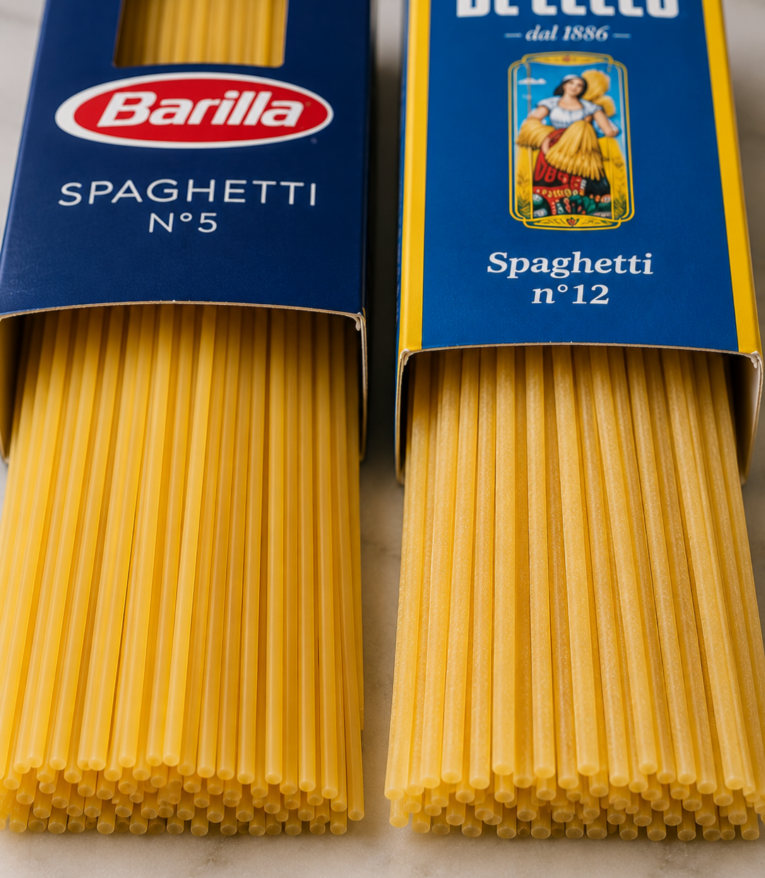
\Why Premium Pasta Cooks Differently
One of the biggest differences between budget-friendly pasta and premium pasta comes down to how the noodles are produced.
Brands like Ronzoni and Barilla are made for large-scale production and consistency. They cook reliably and are affordable, which makes them great everyday options for many families.
Premium brands like De Cecco are usually made using slower drying methods and higher-quality durum wheat. Many premium pasta brands are also bronze-cut, meaning the pasta is pushed through bronze dies during production instead of smoother steel dies.
That bronze-cut process creates a rougher surface texture that helps sauce cling to the noodles better. Premium pasta also tends to hold its shape and texture longer during cooking, giving it a firmer “al dente” bite.
Here’s the easiest way to think about it:
| Budget-Friendly Pasta | Premium Pasta |
| Faster high-heat drying | Slow low-temperature drying |
| Smoother noodle surface | Rougher noodle surface |
| Softer cooked texture | Firmer al dente texture |
| Sauce slides off easier | Sauce clings better |
| Great for casseroles and baked dishes | Great for sauce-focused pasta dishes |
For baked spaghetti, pasta salad, or casseroles, a standard grocery store pasta works perfectly fine. But for simpler pasta dishes where the sauce and noodle texture really matter, premium pasta can make a noticeable difference.
Do Large Pasta Brands Use Additives or Faster Production Methods?
Many large commercial pasta brands use production methods designed for speed and efficiency. The biggest difference usually is not necessarily chemical additives, but rather how quickly the pasta is dried during manufacturing.
Faster high-temperature drying allows enormous amounts of pasta to be produced quickly and consistently. The tradeoff is often texture. Pasta made with rapid drying methods can cook softer and develop a smoother exterior that doesn’t hold sauce quite as well.
Some pasta products may also contain enrichment ingredients or stabilizers depending on the product line, but the production method itself is usually what creates the biggest difference in the final texture and flavor.
That doesn’t mean grocery store pasta is “bad.” In fact, many cooks prefer keeping both styles on hand:
- Budget-friendly pasta for baked dishes and quick meals
- Premium pasta for pasta-forward dinners where texture matters more
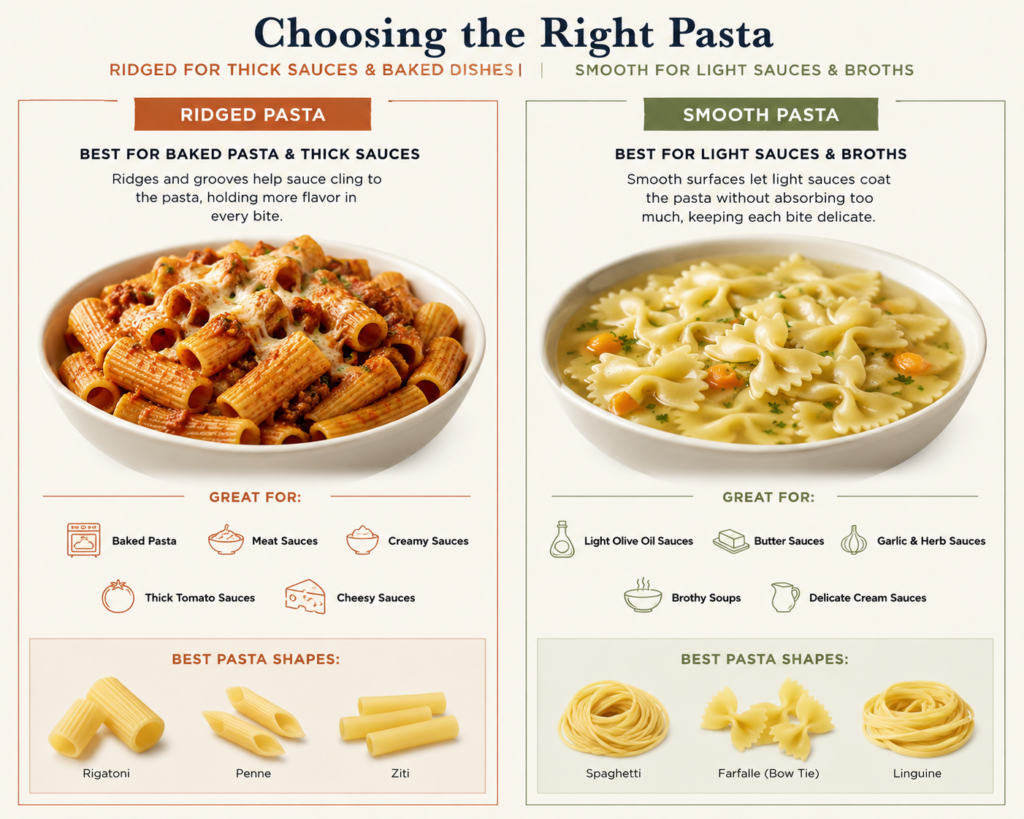
Why Ridged Pasta Holds Sauce Better
Ridged pasta is specifically designed to trap and hold sauce. The grooves catch bits of cheese, meat, cream sauce, and tomato sauce that would otherwise slide off smoother noodles.
Ridged pasta works especially well with:
- Meat sauces
- Vodka sauce
- Alfredo sauce
- Thick tomato sauces
- Baked pasta dishes
Smooth pasta shapes are usually better for:
- Olive oil sauces
- Butter sauces
- Light garlic sauces
- Brothy pasta dishes
For example:
- Ridged penne works beautifully with creamy or chunky sauces.
- Rigatoni with ridges is excellent for baked pasta dishes.
- Smooth spaghetti is ideal for lighter sauces where the noodle itself is the focus.
Choosing the right pasta shape and texture can completely change how a sauce tastes and coats the noodles.
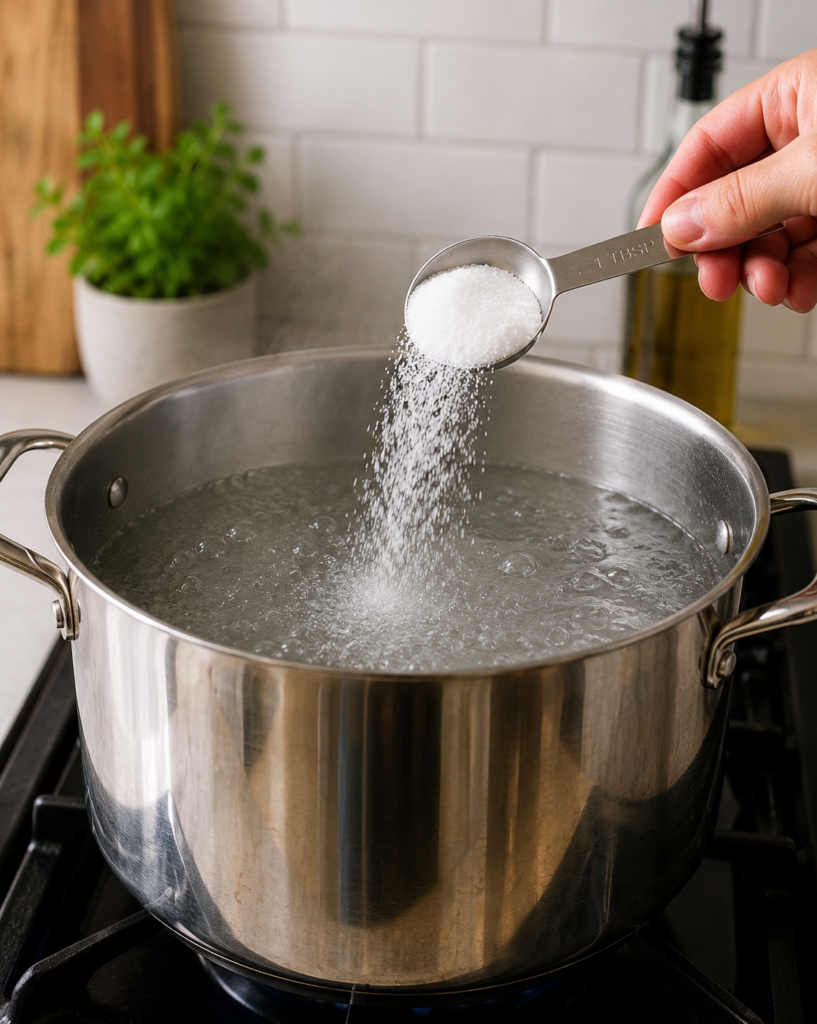
How Much Salt Should Be Added to Pasta Water?
A good rule of thumb is:
For every 1/2 pound of pasta, use about 1 tablespoon of salt.
Pasta water should taste lightly seasoned, almost like a mild broth. Most of that salt does not stay in the pasta itself, but it seasons the noodles while they cook.
Adding salt after the pasta is cooked never creates the same flavor because the seasoning stays mostly on the outside instead of flavoring the pasta internally.
Kosher salt is usually preferred because it dissolves well and is easier to control than fine table salt.
The Correct Way to Time Pasta
One of the most common pasta mistakes is starting the timer immediately after dropping the pasta into the water.
The better method is to start timing once the water returns to a full boil.
When pasta is added to the pot, the water temperature drops significantly. Depending on the amount of pasta and the size of the pot, it can take 1–2 minutes for the water to return to a strong boil. Starting the timer too early can leave the pasta undercooked in the center.
A better process looks like this:
- Bring the water to a rolling boil.
- Add the pasta and stir immediately.
- Wait for the water to fully return to a boil.
- Start the timer at that point.
It’s also smart to begin tasting the pasta about 1–2 minutes before the box directions say it should be done.
When Should Pasta Water Be Pulled From the Pot?
If a recipe calls for pasta water, the best time to reserve it is during the last 1–2 minutes before the pasta is finished cooking.
As pasta cooks, starch is released into the water. The longer the pasta cooks, the starchier the water becomes. That starch is what helps sauces become silky and cling to the noodles properly.
Pulling pasta water too early in the cooking process often results in water that is too thin and watery to properly emulsify the sauce.
A simple approach is:
- Reserve the pasta water shortly before draining the pasta.
- Add small amounts to the sauce while tossing the noodles.
- Use more only if needed.
The starch helps sauces look glossy and smooth instead of dry or separated, especially with butter sauces, cheese sauces, and olive oil-based pasta dishes.
Final Thoughts
Better pasta doesn’t always mean expensive pasta, but understanding how dried pasta is made can completely change the texture and flavor of a meal. Bronze-cut pasta, properly salted water, correct cooking times, and starchy pasta water all contribute to that restaurant-style pasta texture people often try to recreate at home.
Sometimes the difference between average pasta and great pasta comes down to a few small cooking details most people never think about — especially when the instructions on the box only tell part of the story.