Garlic is one of those kitchen staples that ends up in just about everything — pasta sauces, marinades, soups, roasted vegetables, dips, and even homemade dressings. But once you start cooking with fresh garlic regularly, a few questions always seem to come up. How long does garlic actually stay fresh? Can you still use it once it starts sprouting? And what does a recipe really mean when it says “1 clove of garlic” when garlic cloves can vary wildly in size?
If you’ve ever stood in your kitchen holding a bulb of garlic wondering whether it’s still good or how much to use, you’re definitely not alone. Here’s a simple breakdown of the most common garlic questions home cooks ask.
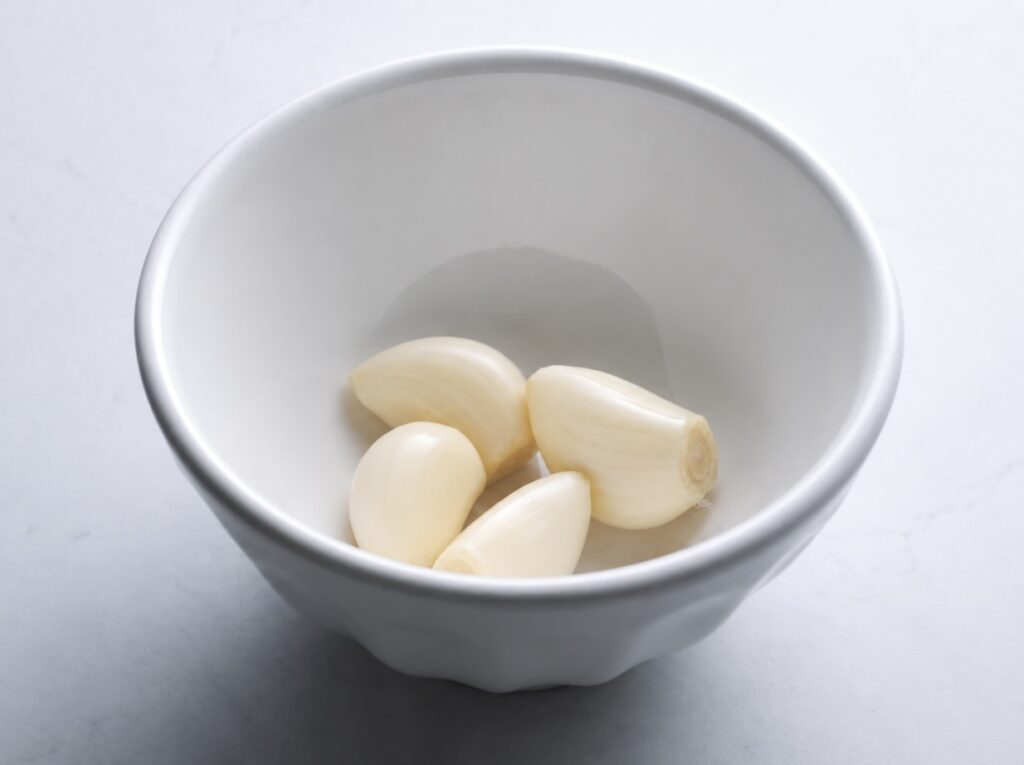
Does Garlic Have a Freshness Window?
Yes — garlic absolutely has a freshness window. Whole garlic bulbs typically last anywhere from 1-3 months when stored in a cool, dry place with good airflow. Once the bulb is broken apart and individual cloves are exposed, the shelf life gets much shorter. Peeled cloves usually last about a week in the refrigerator, while chopped or minced garlic should ideally be used within a day or two for the best flavor.
Fresh garlic should feel firm and dry with tight skin around the cloves. If the garlic feels soft, rubbery, shriveled, or has dark spots, it’s usually past its prime. Mold, excessive moisture, or a sour smell are also signs it should be thrown away.
One of the biggest mistakes people make is storing garlic in the refrigerator too early. Whole bulbs actually do better at room temperature in a pantry or basket where air can circulate.
Can You Cook With Garlic That Has Sprouted?
Yes — sprouted garlic is still safe to eat and cook with in most cases. When garlic sits long enough, a green sprout will eventually start growing from the center of the clove. That doesn’t automatically mean the garlic has gone bad.
The biggest difference is flavor. Sprouted garlic can taste slightly more bitter or sharp compared to fresh garlic, especially if the green sprout inside is large. If you want a smoother flavor, simply cut the clove in half and remove the green center before cooking.
For soups, sauces, casseroles, roasted dishes, or slow-cooked meals, many people use sprouted garlic without noticing much difference at all. However, if the garlic is soft, mushy, moldy, or smells unpleasant in addition to sprouting, it’s time to toss it.
Is One Garlic Clove Equal to a Tablespoon?
Not usually. One average garlic clove is closer to about 1 teaspoon of chopped or minced garlic — not a full tablespoon.
Here’s a general guideline most home cooks follow:
- 1 small garlic clove = about 1/2 teaspoon minced garlic
- 1 medium garlic clove = about 1 teaspoon minced garlic
- 1 large garlic clove = about 1 to 1 1/2 teaspoons minced garlic
A full tablespoon of chopped garlic is typically closer to 3 medium cloves.
That’s why garlic measurements can sometimes feel inconsistent from recipe to recipe. Some recipes assume medium cloves, while others are written by garlic lovers who use much larger cloves without specifying.
What Size Clove Does a Recipe Mean?
Most recipes are generally referring to a medium-sized garlic clove unless otherwise stated. Since garlic bulbs naturally vary in size, recipes usually assume a “standard” clove somewhere in the middle — not the tiny inner cloves and not the giant oversized outer cloves either.
If your garlic cloves are extremely small, you may want to use 2 cloves instead of 1. If they’re huge, using slightly less may keep the garlic flavor from overpowering the dish.
The good news is garlic is one of the more forgiving ingredients in cooking. Unlike baking, exact garlic measurements usually aren’t critical. Many home cooks adjust garlic amounts based on personal preference anyway. If you love bold garlic flavor, adding an extra clove is almost never a bad idea.